
Show, don't pitch.
Guides, comparisons, and playbooks on interactive demos, product-led growth, and getting buyers to value before you ever get on a call.
Changelog Best Practices for SaaS
A changelog is a running record of what changed, for a specific audience. How to decide between a public and internal changelog, what cadence works, a format that scales, whether to follow Keep a Changelog, and how visuals and a feed keep it useful.
How to Collect Product Feedback That's Worth Acting On
Most feedback channels produce noise. How to set up channels that surface signal, separate what people say from what they do, close the loop so people keep giving feedback, and turn a recurring request into a walkthrough.
How to Run a Beta Program That Produces Real Feedback
Most betas produce a trickle of vague praise. How to pick the right testers, onboard them so they actually use the thing, collect feedback that changes the product, and close the program cleanly.
How to Write a Knowledge Base Article (With a Template)
The anatomy of a help article that resolves the question instead of raising new ones: a task-based title, a one-line answer up front, numbered steps with a visual per non-obvious action, and the edge cases at the end. Includes a copyable template.
How to Write Release Notes People Actually Read
Release notes get skipped because they read like a changelog dump. How to structure them around what changed for the user, the voice to use, why one visual per item matters, and how to get them in front of people.
Internal Product Training: Getting a New Hire Demo-Ready
New reps and CS hires demo the product badly for weeks because training is a firehose of features. A training path built around the flows they'll actually show, practice demos with feedback, and a reusable demo library.
The Product Launch Checklist (Internal and External)
A phased checklist for launching a feature or product: what to line up before launch, what has to happen on the day, and the follow-through that turns a launch into adoption. Includes the assets you need and a copyable list.
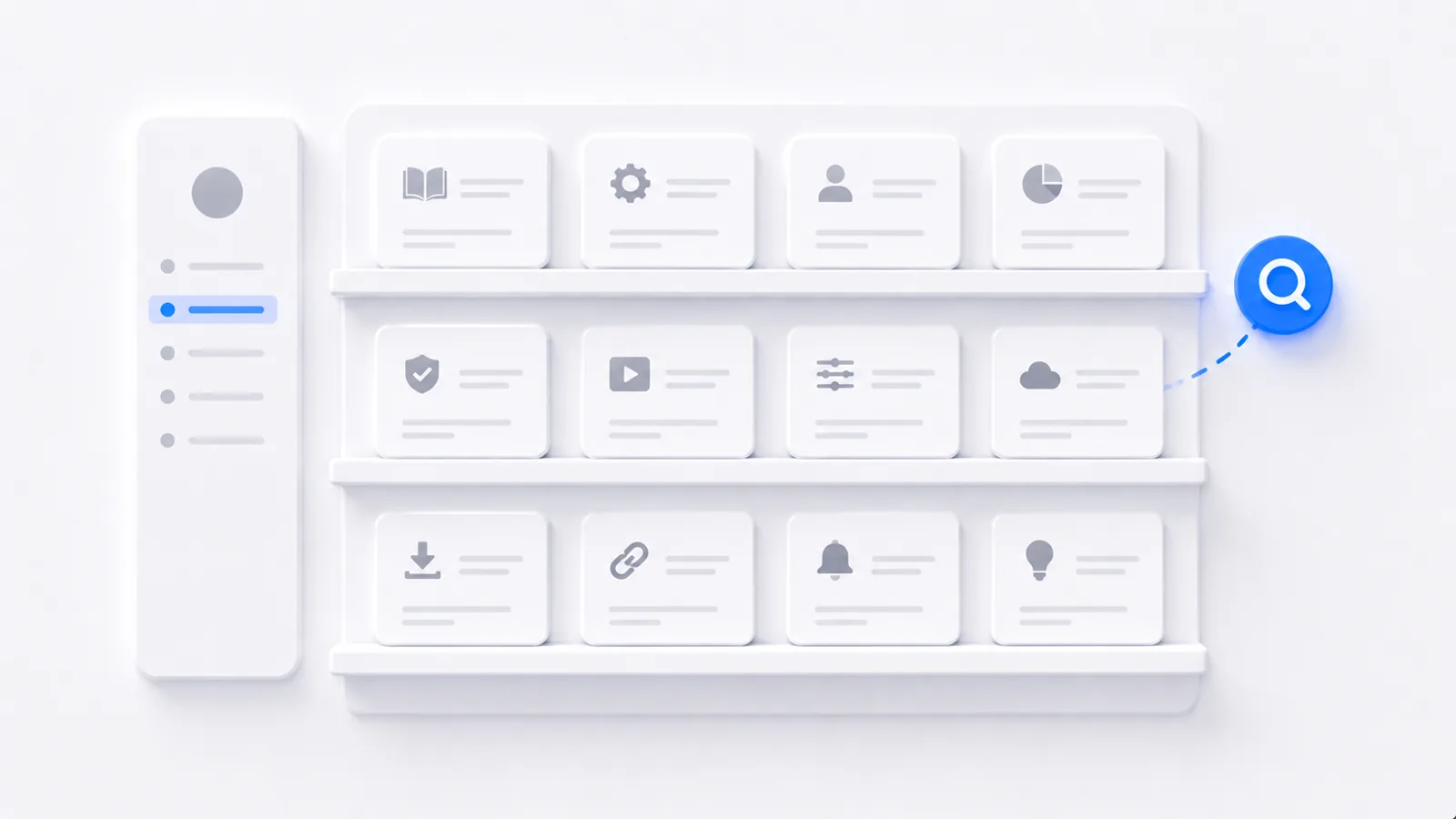
How to Create a Knowledge Base (That Actually Deflects Tickets)
How to build a self-serve knowledge base people use instead of emailing support — what to write first, how to structure it, and why interactive walkthroughs deflect more tickets than text articles for software how-tos.
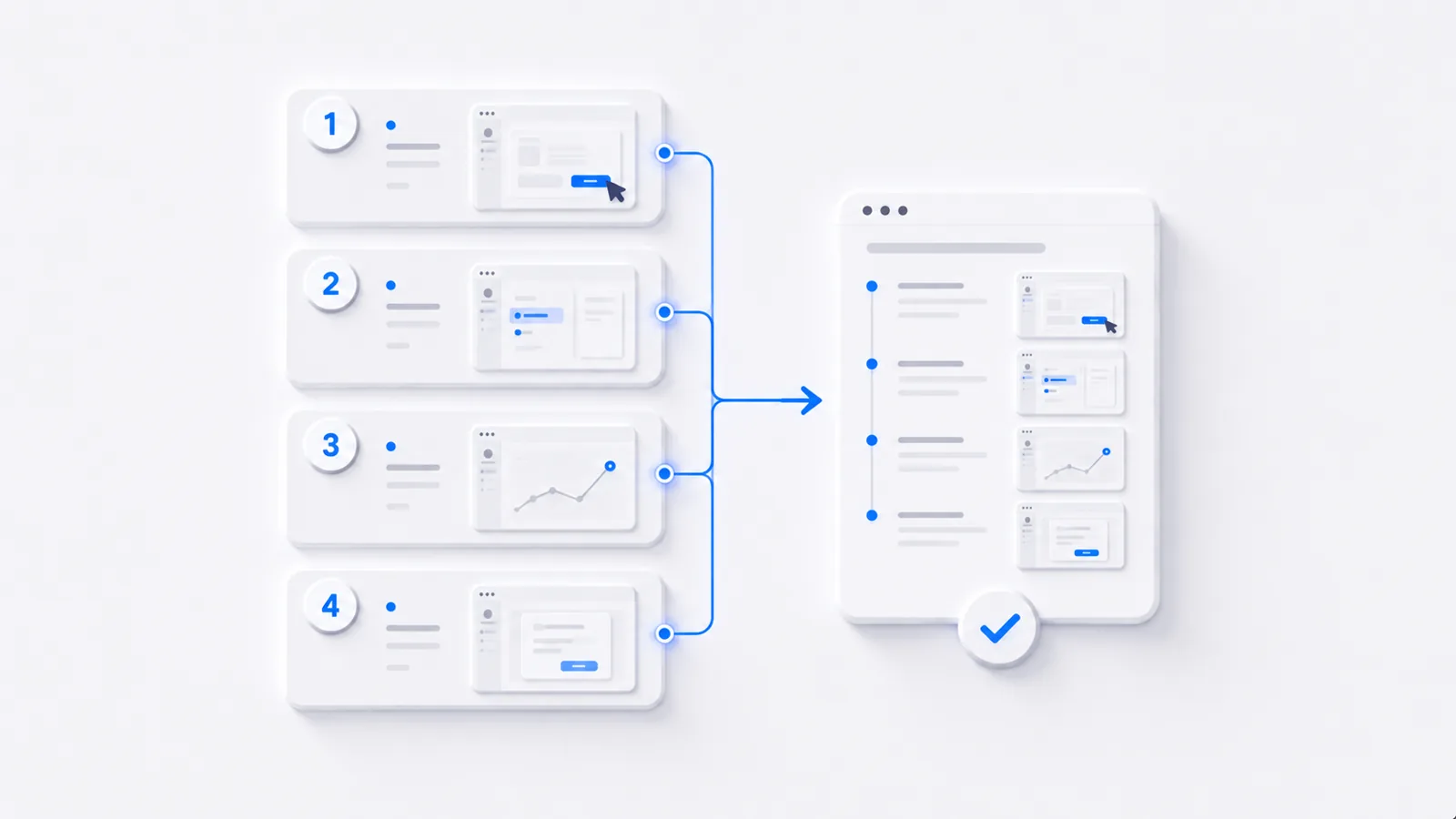
How to Create a Step-by-Step Guide (Templates + Examples)
A practical method for creating clear step-by-step guides — how to break a process into steps, capture screenshots, write instructions that don't confuse, and turn a static guide into an interactive one people actually follow.
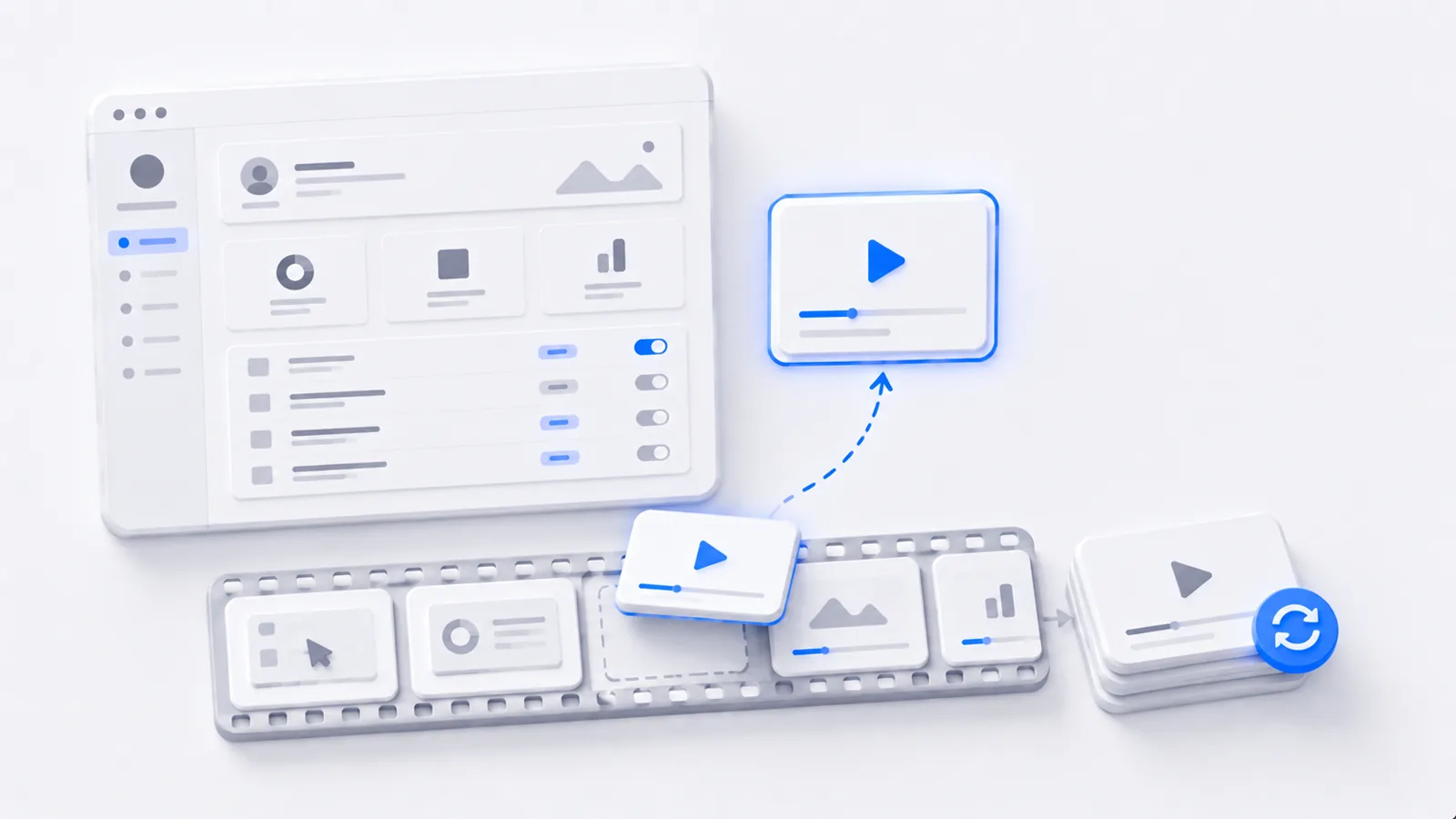
How to Create Training Videos for Software (Without Re-Recording Them Every Quarter)
A practical method for making software training videos — plan the curriculum, record clear lessons, and keep them from going stale. Plus why interactive walkthroughs often train users better than video.
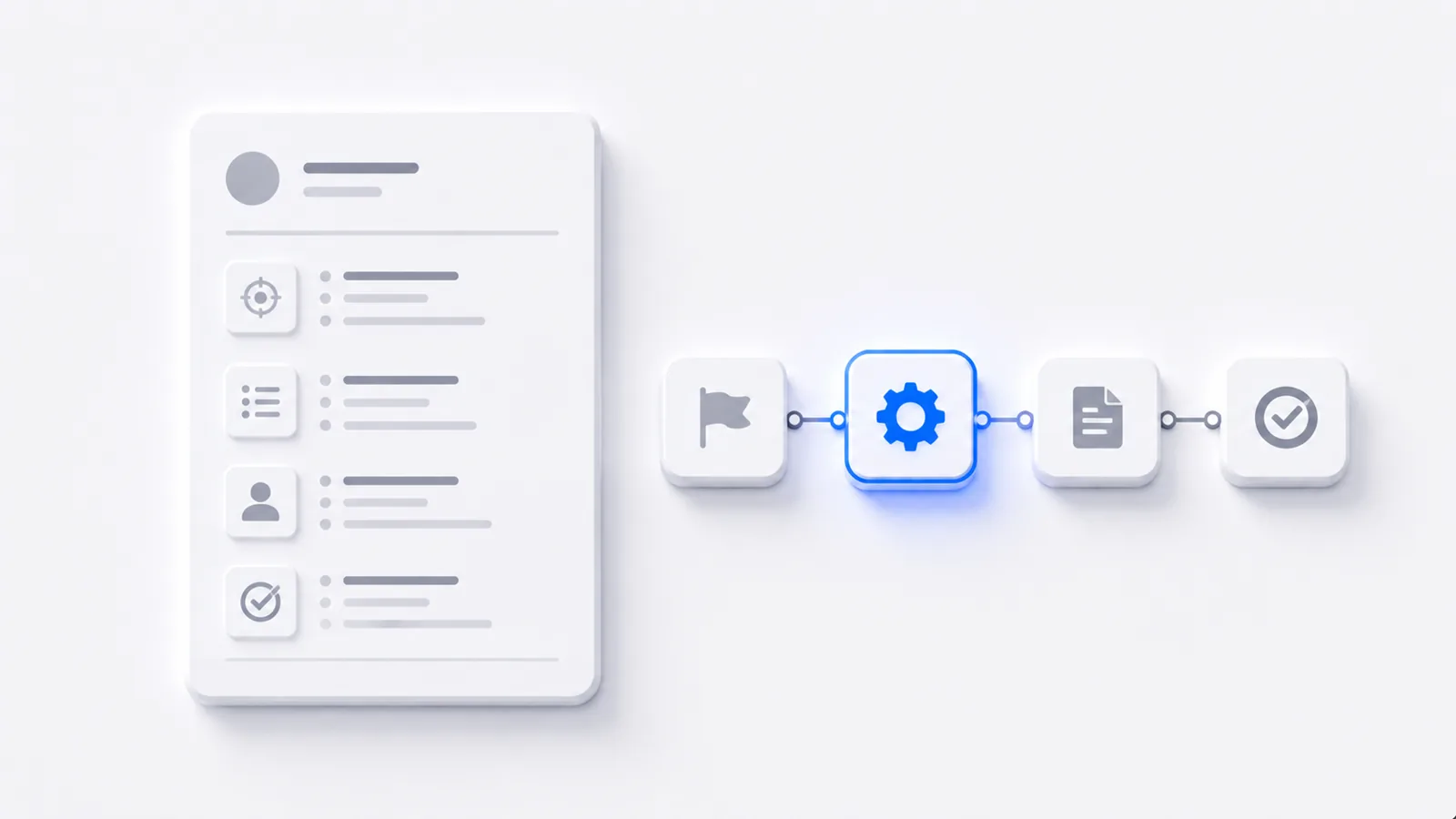
How to Write an SOP (Structure, Template, and Examples)
How to write a standard operating procedure that people actually follow — the structure every SOP needs, a reusable template, and why software SOPs work better as interactive walkthroughs than static documents.
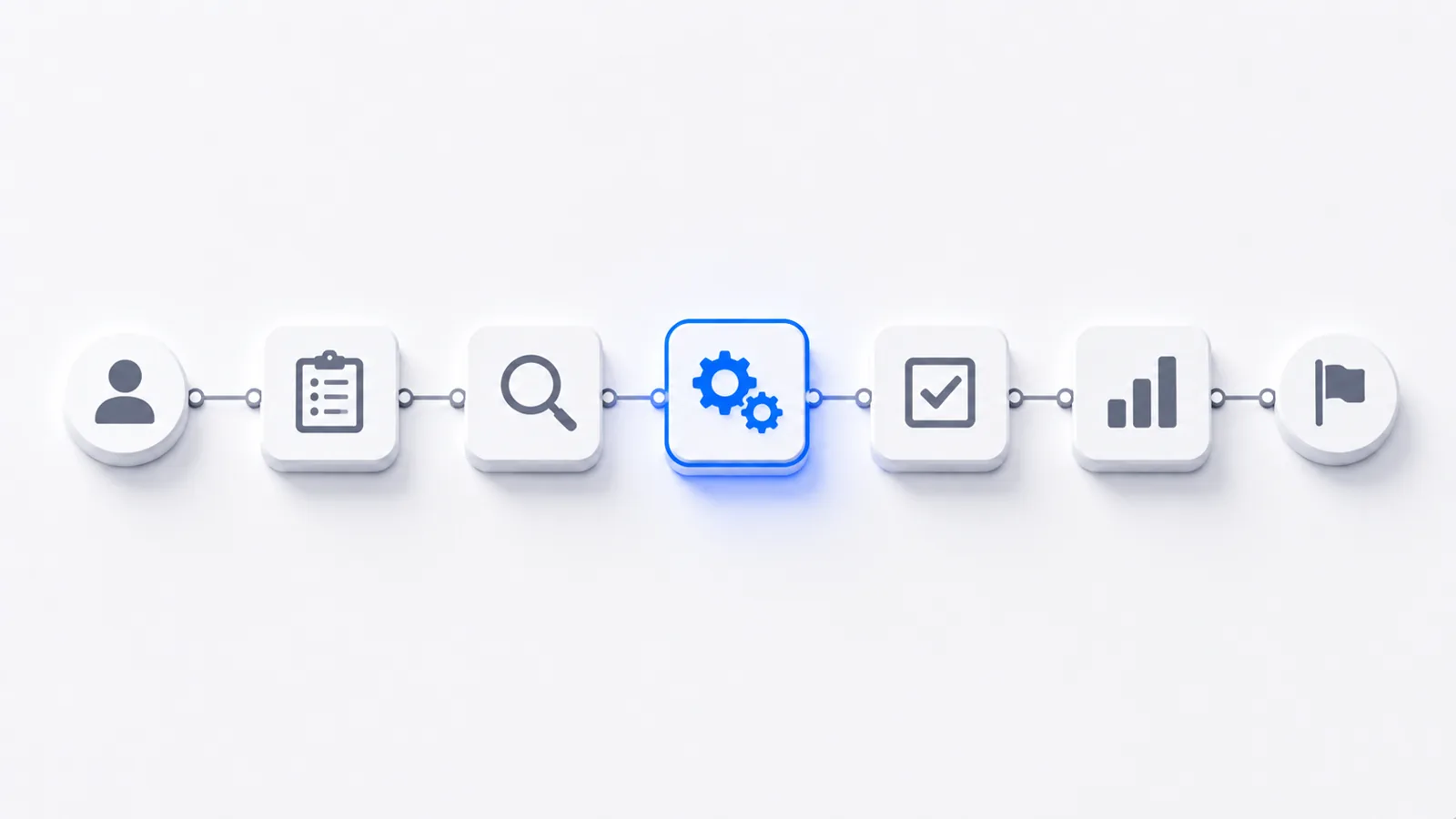
How to Document a Process (So People Actually Follow It)
A practical method for documenting a process — decide what's worth documenting, capture it while you do it, choose a format that fits, assign an owner, and keep it from rotting. Plus why software processes belong in interactive demos.
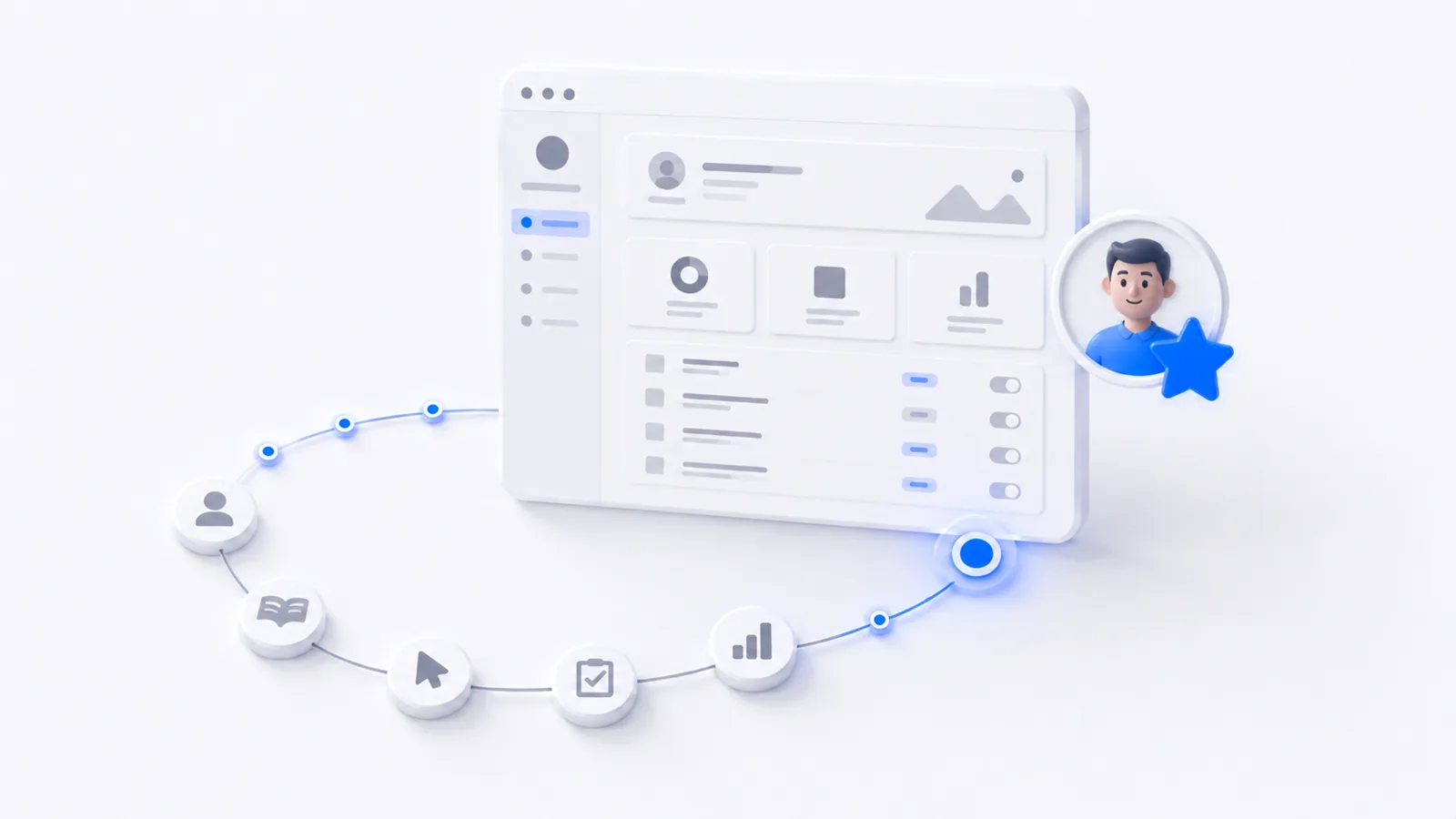
How to Onboard New Employees to Software (A Practical Playbook)
How to get new hires productive in your software stack fast — what to prioritize, how to make training repeatable instead of a manager's full-time job, and why hands-on interactive walkthroughs beat shadowing and slide decks.
The occasional, useful email.
New playbooks on demos and PLG. No spam, unsubscribe anytime.