
7 Product Demo Metrics Worth Tracking (and What They Tell You)
The seven metrics that tell you whether your product demo is actually working — completion rate, drop-off step, time spent, and more — plus how interactive demos make them measurable in the first place.
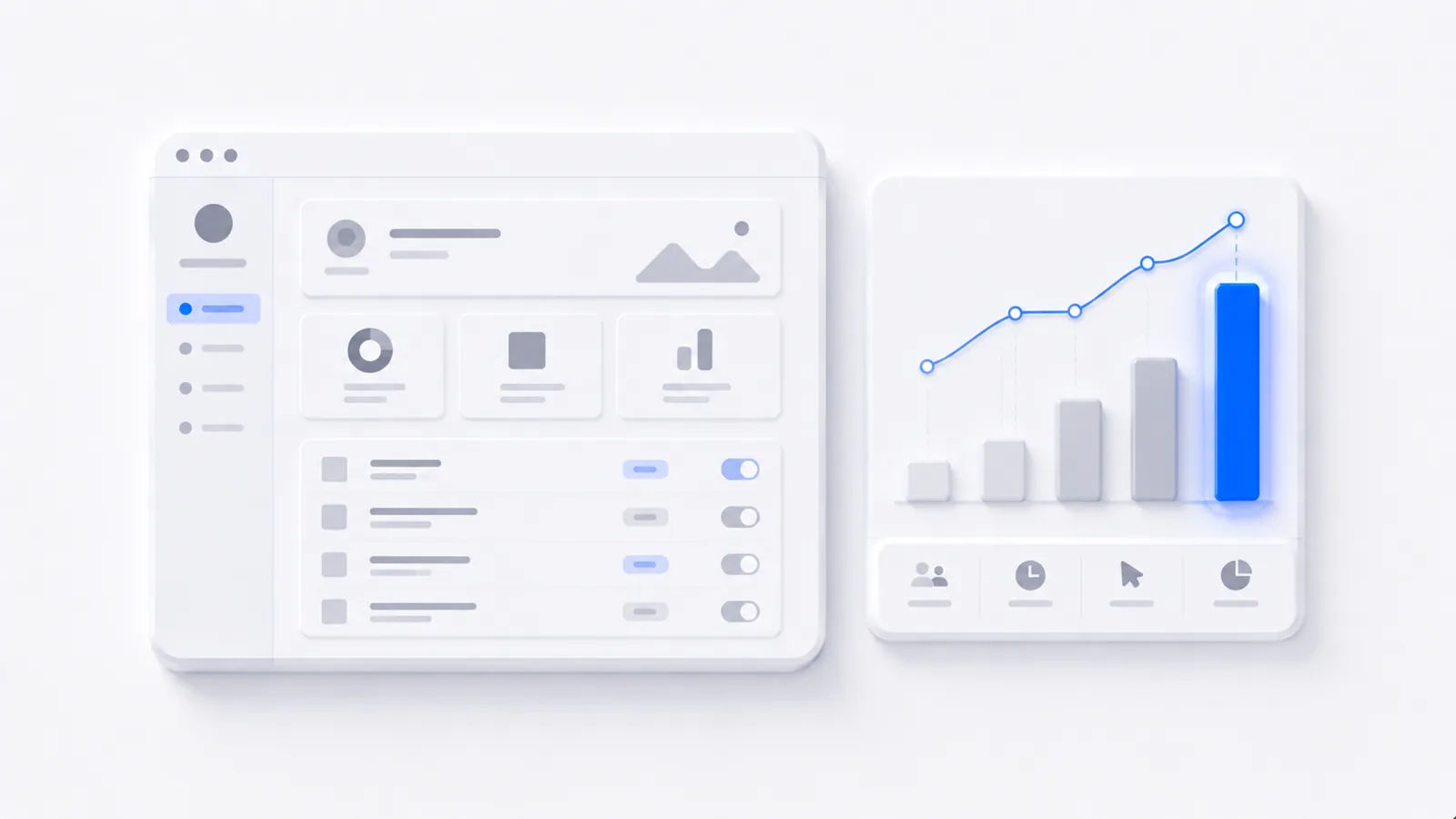
A product demo you can't measure is a product demo you can't improve. "It got a lot of views" tells you nothing about whether it convinced anyone — or which step quietly lost half your viewers. Here are the seven metrics that actually tell you how a demo is performing, what each one reveals, and why interactive demos make them measurable in the first place.
1. Completion rate
The percentage of viewers who reach the end. What it tells you: whether the demo holds attention overall. A low completion rate is the headline symptom; the next metric tells you the cause.
2. Drop-off step
The specific step where viewers leave. What it tells you: exactly what to fix. A cluster of drop-offs at step 4 means step 4 is too long, too confusing, or too early for the payoff. This is the single most actionable demo metric there is.
3. Time spent
How long viewers engage, overall and per step. What it tells you: whether pacing matches attention. A step everyone races past may be filler; one where they linger may be the real aha worth leading with.
4. Call-to-action click-through
The share of viewers who take the next step you offered. What it tells you: whether engagement is converting into intent. High completion but low CTA click-through means the demo entertains but doesn't drive action — usually a weak or missing close.
5. Viewers / reach
How many people started the demo. What it tells you: distribution, not quality. It's the denominator for every rate above — useful only in combination, never alone.
6. Share / forward rate
How often the demo gets passed along. What it tells you: especially in sales, whether the demo is reaching the rest of the buying committee. A forwarded interactive demo keeps selling to people who were never on your call.
7. Downstream conversion
Whether viewing the demo correlates with signing up, booking, or buying. What it tells you: the bottom line — does the demo move the metric you actually care about? This is the one that justifies the rest.
Why interactive demos make these measurable
Here's the catch: most of these are hard to get from a video, where you mostly know total watch time. An interactive demo treats every step as a discrete event, so step-level completion, drop-off, and timing come for free:
Don't chase industry-average completion rates. Benchmark your demo against itself over time — fix the drop-off step, watch completion rise, repeat. Your own trend is more actionable than anyone else's average.
Measurement is what turns a demo from a one-time asset into something you improve every month. Build a measurable one with how to create an interactive product demo, and use the drop-off data to fix the common demo mistakes one step at a time.
Frequently asked questions
What metrics should I track for a product demo?
The most useful are completion rate, drop-off step (where viewers leave), time spent, click-through on the call-to-action, number of viewers, share or forward rate, and downstream conversion. Together they tell you not just whether people watch your demo but where it loses them and whether it actually drives the action you want — which a simple view count never reveals.
How do I measure if my product demo is working?
Look beyond views to engagement and outcome: what percentage of viewers finish, where the rest drop off, and whether finishing correlates with signing up or booking a call. A demo with high views but low completion and a clear drop-off step is telling you exactly which step to fix. Interactive demos make this measurable because every step is a tracked event.
What is a good completion rate for a product demo?
It varies by length and placement, but the more useful practice is to benchmark against your own demo over time and watch the trend as you improve it. A low completion rate paired with a specific drop-off step is more actionable than any industry average — it points at the exact step to cut or clarify. Interactive demos generally complete better than passive video.
Can you track analytics on an interactive demo?
Yes — that's a major advantage of interactive demos over video. Because each step is a discrete event, you can see exactly how many viewers reached each step, where they dropped off, how long they spent, and whether they clicked the call-to-action. That step-level visibility is far harder to get from a video, where you mostly know total watch time.